
The Institute of Telecommunications and Multimedia Applications (iTEAM) of the Universitat Politècnica de València (UPV), in collaboration with Nokia, Robotnik, and Orange, has developed an innovative digital twin system for remote driving that operates in real-time thanks to its private 5G network.
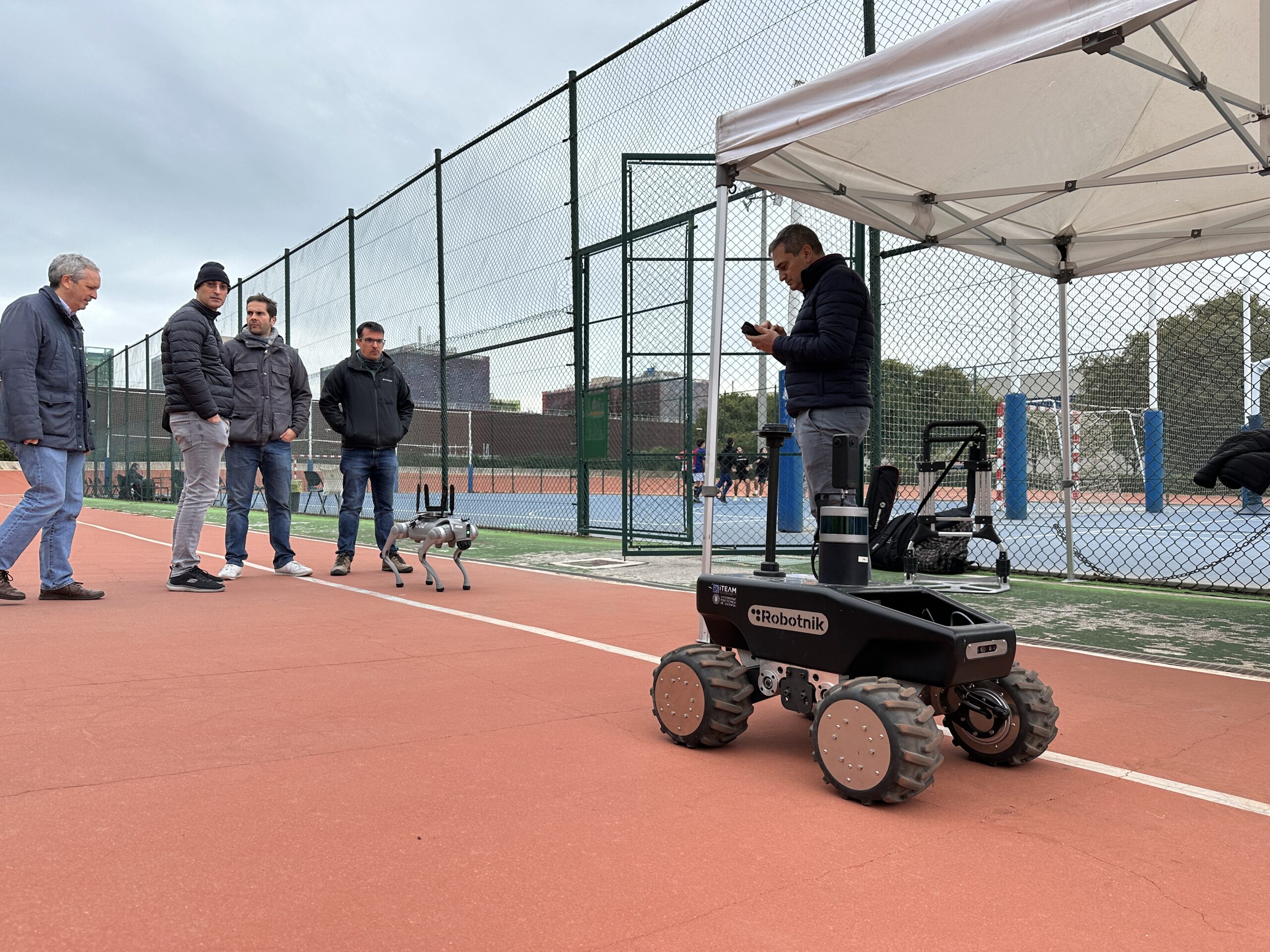
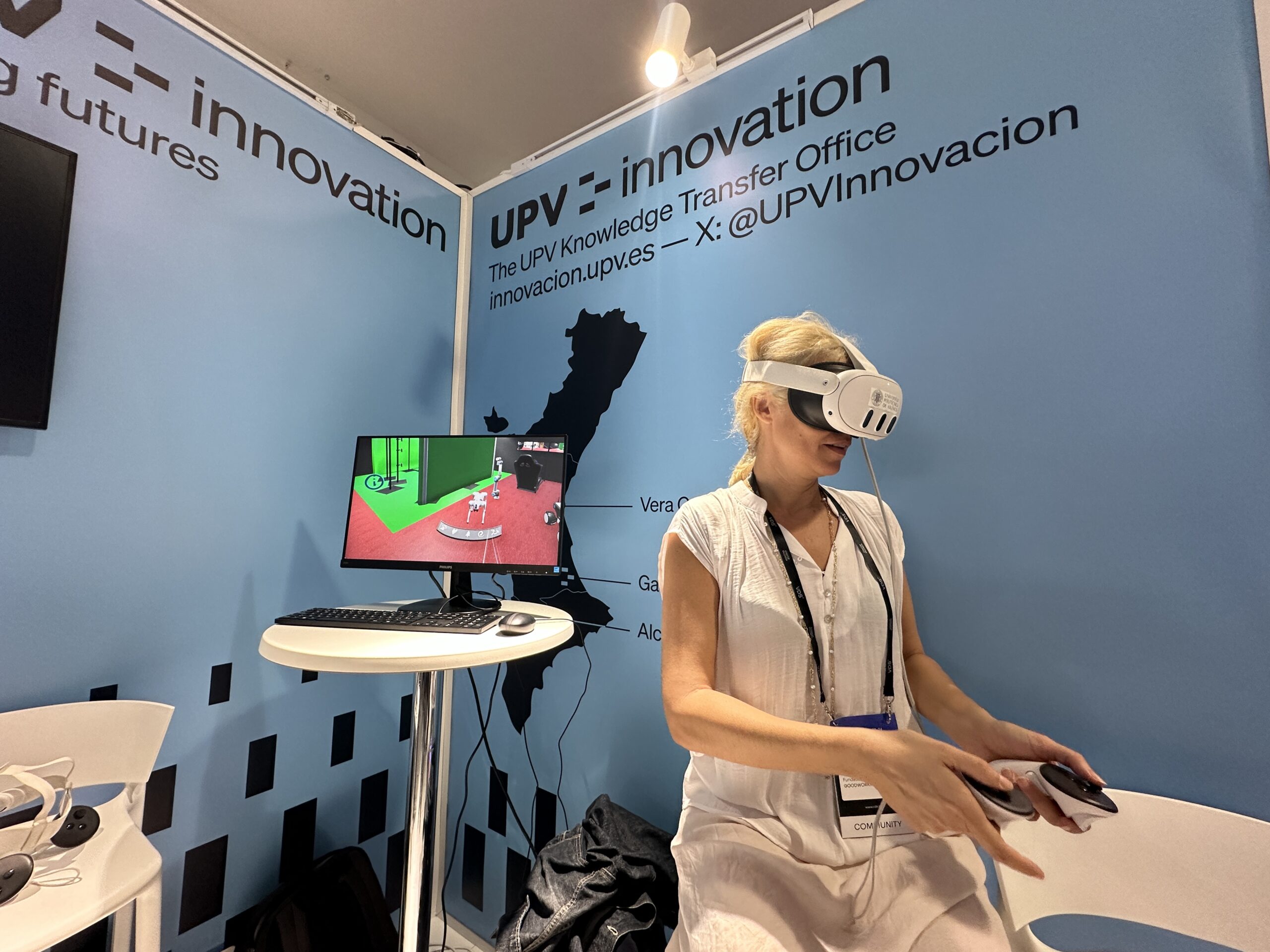
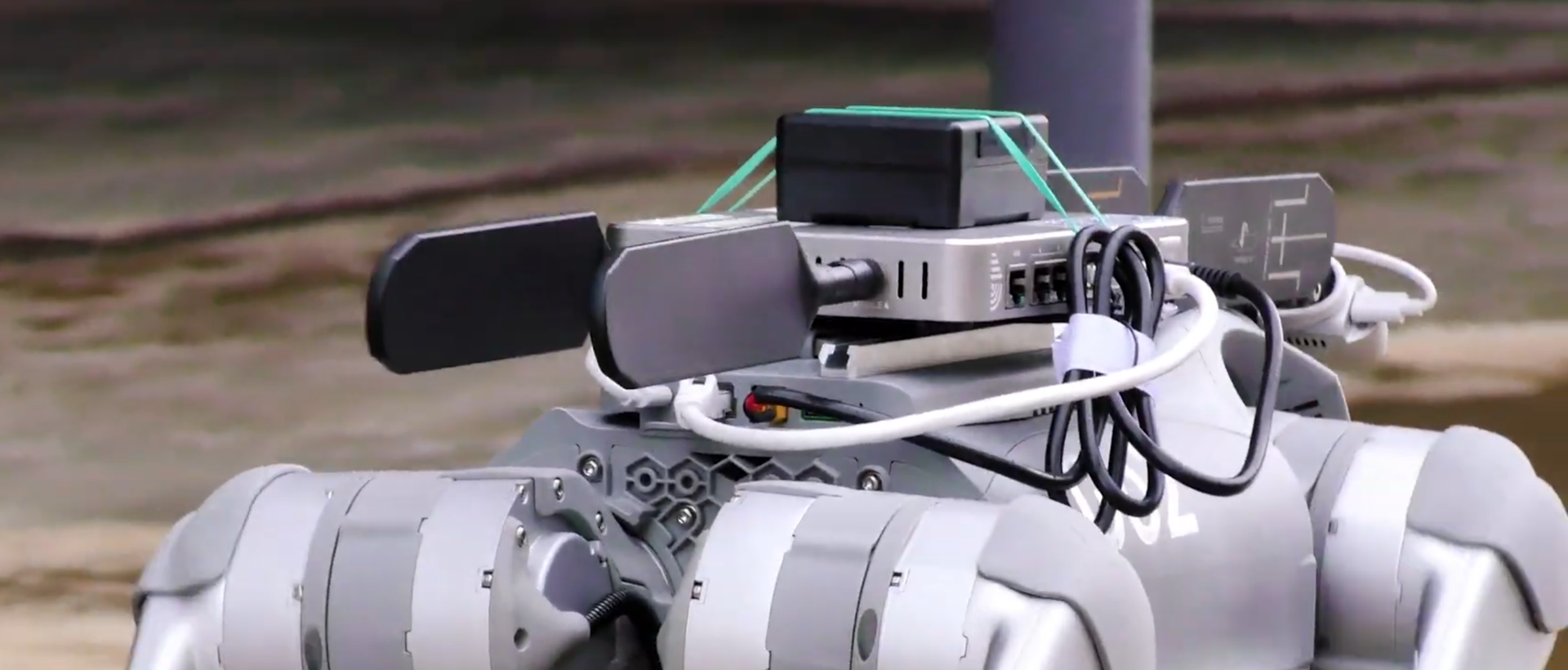
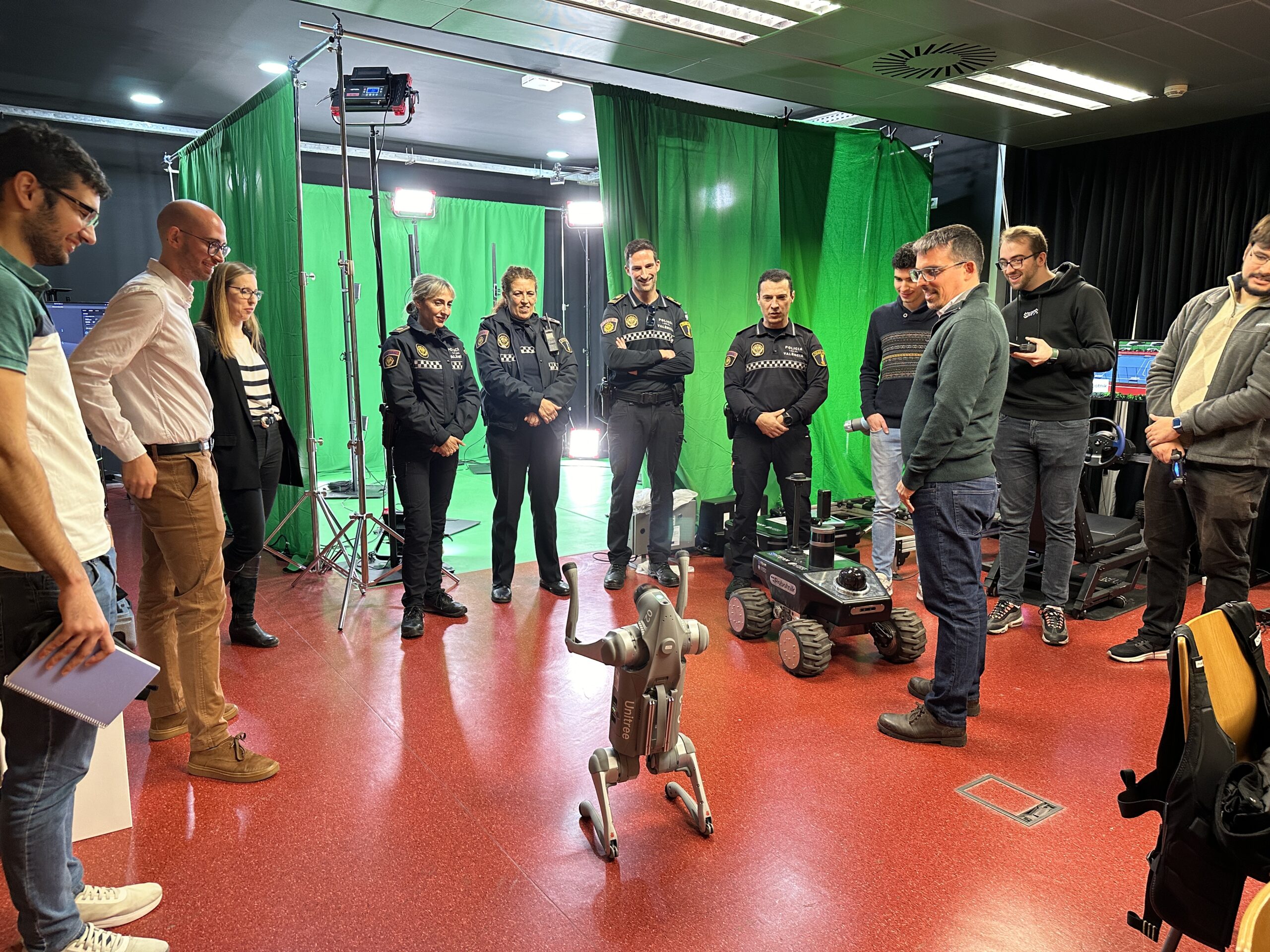
At the UPV Velodrome, a Robotnik Summit XL mobile robot (implemented by Orange) competed against a Unitree Go 2 robot dog (implemented by Nokia). The robots were piloted in real-time from immersive cockpits located in the iTEAM’s Immersive Communications Laboratory at the Ciudad Politécnica de la Innovación (CPI).

The system utilizes 3D models that include photogrammetric reconstructions of the UPV Velodrome and the iTEAM 5G network antennas, as well as virtual models of the robots. These digital twins are powered by an extensive network of sensors that collect real-time data, such as the GPS location of the robots, images captured by their cameras, signal metrics, modem performance, and the energy consumption of antennas and communication devices.
Communication is managed through Nokia’s Network as Code (NAC) service, ensuring that data is stored in InfluxDB and visualized in Grafana. Regarding video streaming, the robots’ cameras transmit RTSP or WebRTC video through Edge servers, where images are analyzed using AI based on YOLO v9 to update the digital twins in real-time.
These innovative tests are part of the Advancing-5G-Digital Twins project (TSI-063000-2021-112, TSI-063000-2021-113, TSI-063000-2021-114), within the UNICO 5G R&D program, funded by the European Union’s NextGenerationEU initiative and the Ministry of Economic Affairs and Digital Transformation, under the Recovery, Transformation, and Resilience Plan.
This demonstration highlights the potential of 5G technology and digital twins to drive connected mobility and immersive applications in industrial and urban environments.